- Product

- Pricing
- Affiliate Program
- Developers
- Resource
 EN
EN
If you use Anytype to manage notes, tasks, or projects, and you also use Make.com to automate work, this topic will probably catch your eye. A lot of people want a simple make.com anytype integration. The reason is easy to understand. Nobody wants to copy the same information from one tool to another every day.
You may want new tasks to appear in your knowledge system automatically. You may want form responses to turn into structured notes. Or maybe you want updates from one tool to trigger actions in another. That is where a make.com anytype integration starts to make sense.
In this guide, we will keep things simple. We will look at what this integration means, how to set it up step by step, what you can do with it, and what problems you may run into.
Let’s start with the basics.
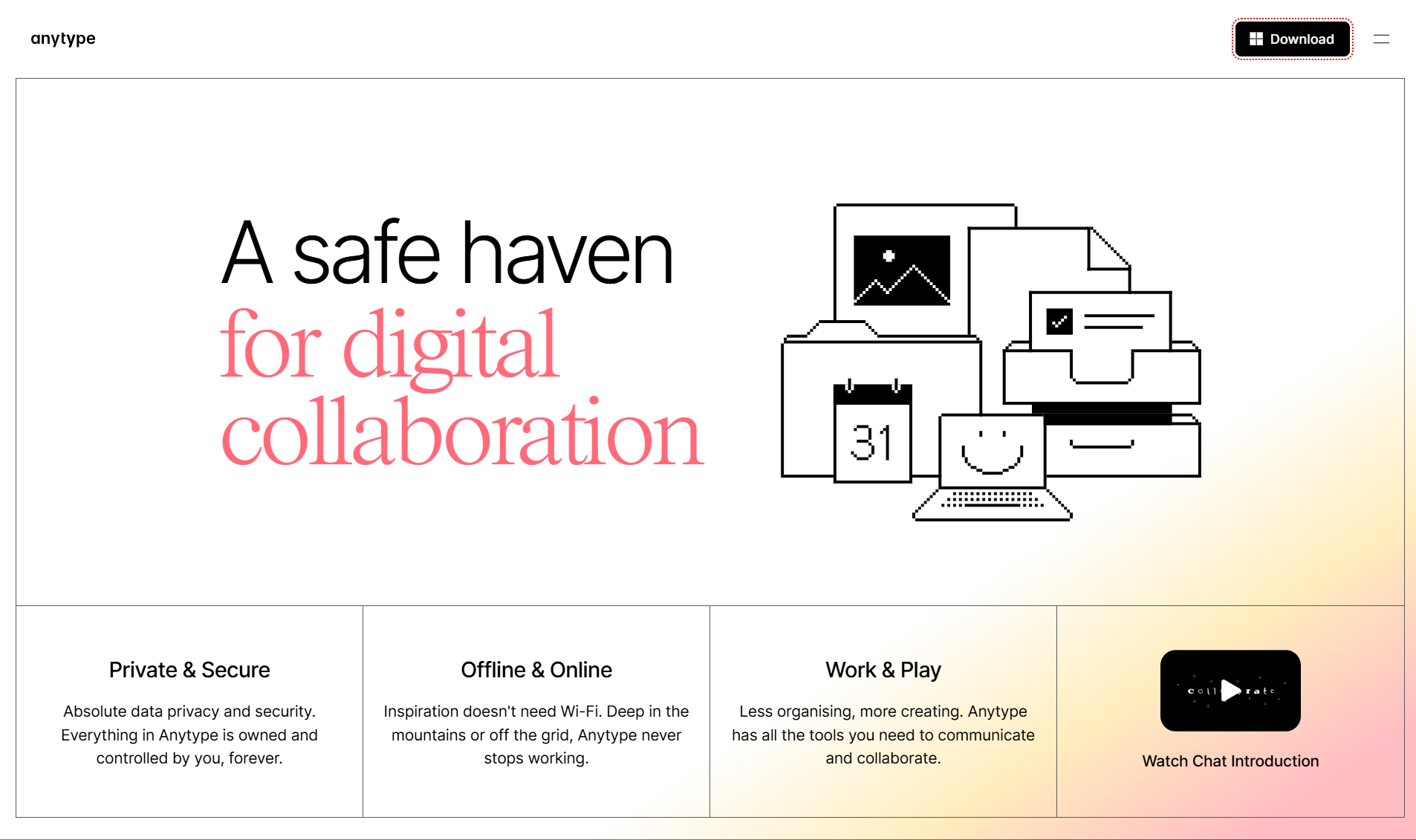
Make.com is an automation platform. It helps different apps work together. You can use it to move data, trigger actions, add filters, and build workflows without doing everything by hand.
Anytype is a knowledge management tool. You can use it for notes, tasks, projects, meetings, and more. It is more structured than a basic note app. Instead of only working with pages, it lets you organize things as different object types.
So what does make.com anytype integration actually mean?
It means using Make.com to connect Anytype with other tools or workflows. For example, you may want to create a new object in Anytype when a form is submitted. Or you may want to push task data into Anytype from another system. The exact setup can change, but the goal stays the same: less manual work, better structure, and smoother workflows.
The answer is simple. They want their tools to work together.
Anytype is good for storing and organizing information. Make.com is good for moving information and turning it into action. When you combine them, you get a system that is more useful than either tool alone.
A lot of people do not want a knowledge base that just sits there. They want a system that can react. They want new ideas, tasks, or records to flow in automatically. They want fewer repeated steps. They want cleaner processes.
That is why people search for make.com anytype integration. They are not just looking for a connection. They are looking for a better way to work.
You can also think of anytype make.com integration as a bridge. Anytype keeps your information organized. Make.com helps that information move where it needs to go.
Before building anything, stop and decide what you want the workflow to do.
This part matters more than people think. A lot of automation setups fail because the goal is not clear. People open Make.com first, start dragging modules around, and only later realize they do not really know what the workflow is supposed to solve.
Start with one simple question: what should happen automatically?
Maybe you want a new content brief to appear in Anytype. Maybe you want tasks from another tool to become structured objects. Maybe you want status changes to send a notification.
Then check what kind of connection is possible. If Make.com has a native Anytype module, the setup will be easier. If not, you may need to use API calls, webhooks, or some kind of middleware.
You should also prepare your Anytype structure first. Decide what object type you want to create. Is it a task? A note? A project? A meeting record? Also decide which fields matter. Title, status, date, tags, owner, and notes are common examples.
Keep it simple at the start. One direction is enough. You do not need a two-way sync on day one.
Now let’s get into the setup.
This is the first real decision.
There are usually a few ways to build a make.com anytype integration. You might use a native module if one exists. You might connect through an API. Or you might use a webhook or another tool in the middle.
Do not skip this step. The whole workflow depends on it.
Go into Make.com and create a new scenario.
This scenario is the place where your automation will live. It defines what starts the process, what happens in the middle, and what the final output should be.
Think about the trigger first. What event should start the workflow?
A few common examples are:
a new form response
a new row in a database
a task status change
a webhook event
a scheduled check
Choose the one that matches your real process.
Once the scenario is ready, add the source trigger.
This could come from Google Sheets, Airtable, a form tool, Notion, a webhook, or another app. The important thing is that the trigger gives you clean data.
Try to keep the input structured. It is much easier to build a stable make.com anytype integration when the incoming data already has clear fields like title, type, date, tags, and description.
Next, set up the destination side.
If there is a native connection, use it. Authenticate the account and choose the action you want, like creating or updating an object.
If there is no direct connection, you may need an HTTP module, webhook route, or another bridge. In that case, you will usually need to configure the endpoint, authentication, headers, and request body.
This is often the most technical part. But the idea is still simple. You are telling Make.com where to send the data and how to format it.
This step is very important.
Field mapping decides where each piece of data goes. If your title goes into the wrong field, or your date is formatted badly, the workflow may run but still be useless.
For a make.com anytype integration, you may need to map things like:
title
object type
tags
date
status
description
source link
Take your time here. Most messy automations are really mapping problems.
Do not turn everything on right away.
Run the scenario with one or two test records first. Then check the result in Anytype.
Did the object appear?
Did the right fields get filled in?
Did the text stay readable?
Did it create duplicates?
Testing early saves a lot of cleanup later.
Now make the workflow smarter.
You probably do not want every record to go through. Maybe only approved tasks should be sent. Maybe only forms with a valid title should create a new object.
Add filters so the automation only runs when it should.
Then think about errors. What happens if the request fails? What happens if a field is missing? Good automation is not just fast. It is reliable.
Once the test looks good, turn the scenario on.
Then watch the first few runs closely. This part is important. Even a correct setup can break when real users enter messy data or when a field name changes.
A working make.com anytype integration usually gets better after a few small fixes. That is normal.
Once the setup works, the next question is: what should you actually do with it?
One simple idea is sending form submissions into Anytype. This is useful for content briefs, lead notes, feedback forms, or idea collection.
Another idea is turning external tasks into Anytype objects. If you manage work across different tools, this can help you centralize important information.
Meeting notes are another good use case. You can route notes, action items, or summaries into a more structured workspace.
Content planning also fits well here. You can send ideas, outlines, drafts, or publishing data into Anytype and keep everything more organized.
The point is not to automate everything. The point is to automate the boring parts first.
It is better to be honest here. This kind of setup is useful, but it is not always smooth.
The first issue is that anytype make.com integration may not always be direct. If there is no native module, the setup will need more effort.
The second issue is structure. Make.com likes clean, predictable fields. Anytype can be more flexible. That flexibility is nice, but it may take extra mapping work.
The third issue is authentication. API keys, tokens, headers, and permissions can easily cause problems.
The fourth issue is duplicates. If your trigger is too broad, the same record may be created more than once.
There is also the issue of maintenance. A workflow may work well today and break later because someone changed a field name or edited the source structure.
So yes, a make.com anytype integration can save time. But only if you build it carefully.
Now let’s connect this to real operations.
If your work is only about personal notes, you may not need anything else. But if your workflow includes multi-account work, content operations, or browser-based execution, it can make sense to add MoreLogin to the stack.
Here is the simple version.
Anytype can manage the knowledge side. It can store notes, tasks, projects, SOPs, and structured records.
Make.com can manage the automation side. It can move data, trigger actions, apply logic, and connect different tools.
MoreLogin can support the execution side. If your workflow involves multiple browser environments, account operations, or repeatable platform tasks, this part becomes important.
That is why this combination makes sense. Planning stays organized. Automation stays structured. Execution becomes easier to manage.
For teams or operators who work across many accounts, that can make the whole system feel much cleaner.
A good make.com anytype integration is really about one thing: making your workflow easier to manage.
You do not need to overcomplicate it. Start with one clear use case. Choose the connection method. Build one scenario. Map the fields carefully. Test it with real data. Then improve it step by step.
That approach works much better than trying to automate everything at once.
Even if the connection is not fully native, you can still build a practical workflow through APIs, webhooks, or a middleware setup. And if your process also includes account execution or browser-based operations, using MoreLogin alongside this stack can help you work faster and with less friction.
It depends on current product support. In some cases, there may not be a direct native module. If that happens, you can still build a make.com anytype integration through APIs, webhooks, or a middleware workflow.
You can automate simple but useful workflows. For example, you can send form responses into Anytype, turn tasks into structured objects, sync meeting notes, or trigger alerts when important records change.
Not always. If there is a native connection, setup is much easier. If you need to use APIs or webhooks, it becomes more technical. But the basic process is still simple: choose a trigger, map the fields, test the workflow, and refine it.
The biggest problem is usually field mapping. If your data structure is unclear, the workflow can create messy records, wrong values, or duplicate entries. In most cases, the real issue is not the automation itself, but the structure behind it.
Usually, no. It is better to start with a one-way workflow. That is easier to test and easier to maintain. Two-way sync sounds powerful, but it also creates more risk, especially with duplicates, loops, and update conflicts.
Yes. They serve different roles in the workflow. Anytype helps organize information. Make.com handles automation. MoreLogin helps when your process also includes browser-based work, multi-account operations, or execution across isolated environments.

 EN
EN